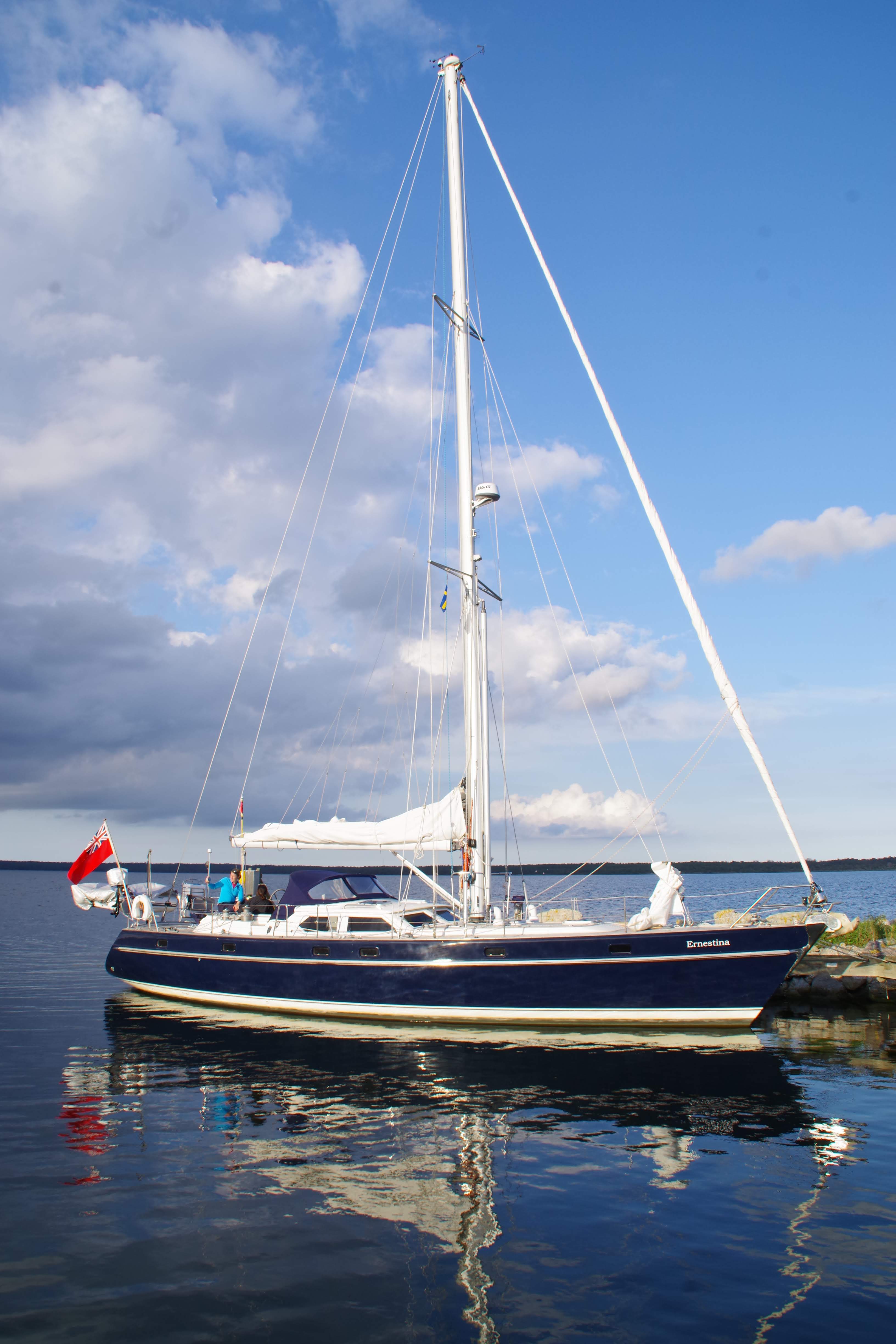
After a brief stop in Cape Verde, on Wednesday 17thNovember we were off again – next stop St Lucia in 2,200 miles and an anticipated 14 to 16 days depending on the wind.
The forecast wasn’t great for the start of the race – light winds for 24 hours, meaning that the first decision we had to make was whether we were going to use our engine or not. By the time race start came round, the wind was looking reasonable so we decided that to begin with at least, we would sail.

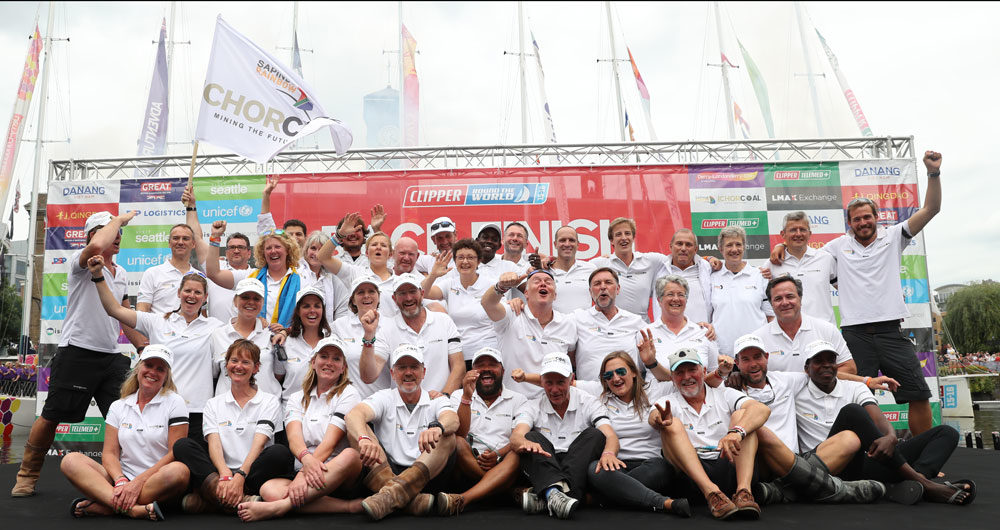
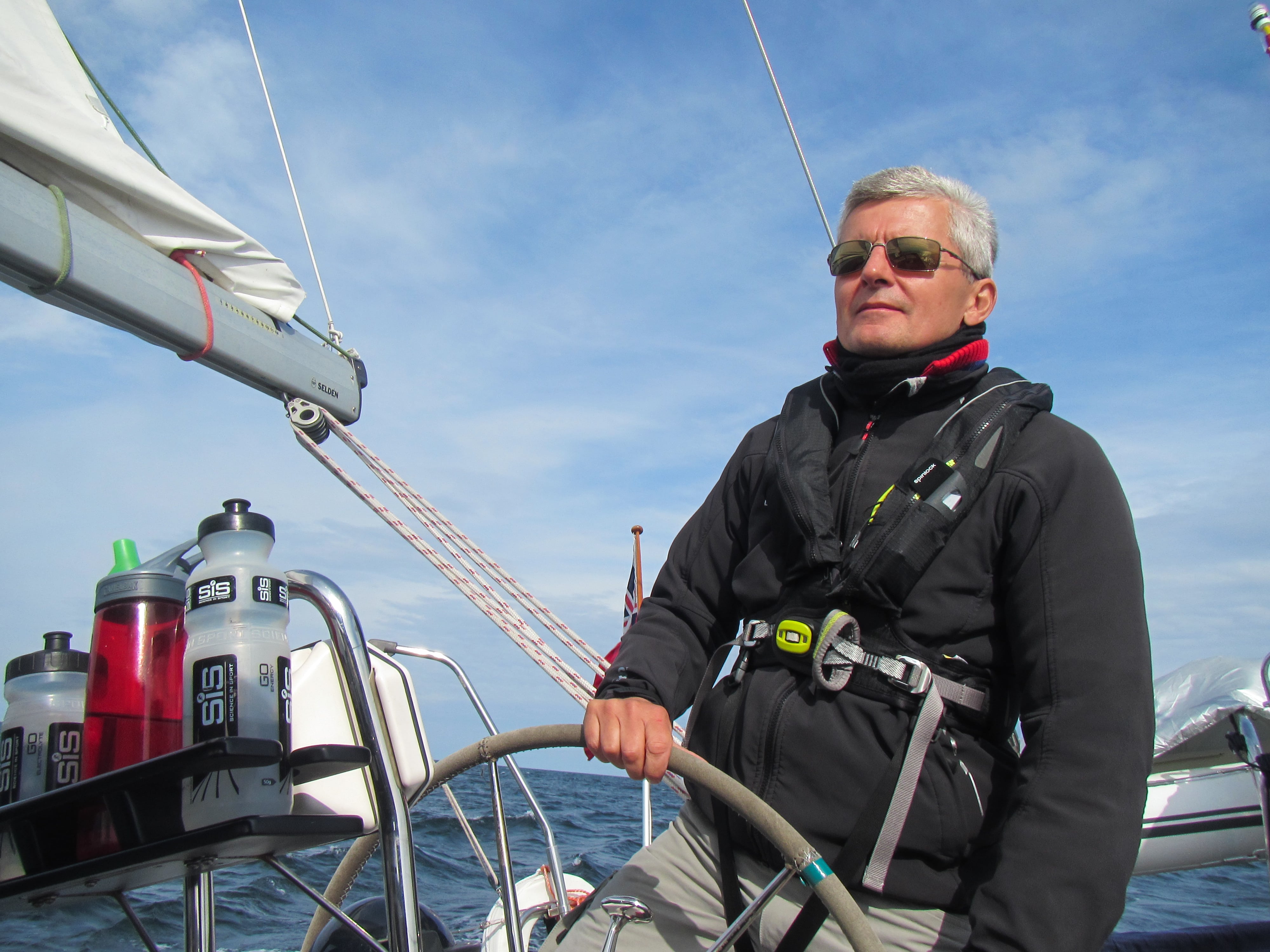
All smiles at race start in Cape Verde
Race start proved to be somewhat chaotic with the majority of boats deciding to use their engines but also not giving way to those of us under sail. Nevertheless, we had a perfect start, crossing the line as the gun went and managing to avoid being bashed into by our competitors. Despite this great start, the wind died off shortly after the gun went, as per the forecast, and we watched our competitors motor off into the distance. This was a little disheartening but we decided that we’d rather sail all the way to St Lucia than use our motor, and besides, it wasn’t a race, it was a rally, positions didn’t matter…except when the first schedule came through and we were 57th out of 74 boats, then it sucked.
Be Careful What You Wish For
The first 24 hours of the race were incredibly frustrating. We had virtually no wind and the wind that we did have couldn’t decide which way it was going to come from – at one point, rather than heading west, we were heading a very unsatisfactory north west, the saving grace being that we were heading that way slowly. We clocked a whopping 72 miles in that initial 24 hours and I dread to think how many (few) of them were in the right direction. However, after a day of wondering whether we were ever going to escape the grips of Cape Verde, the wind filled in and we were off. And boy, were we off. The next couple of days saw us rocketing along at between 8 and 12 knots (we averaged 6 knots down to Cape Verde) in rough seas and covering 380 miles. There were a few people feeling a little green around the gills during that period, thankfully, I was not one of them.
Circuits on the Foredeck
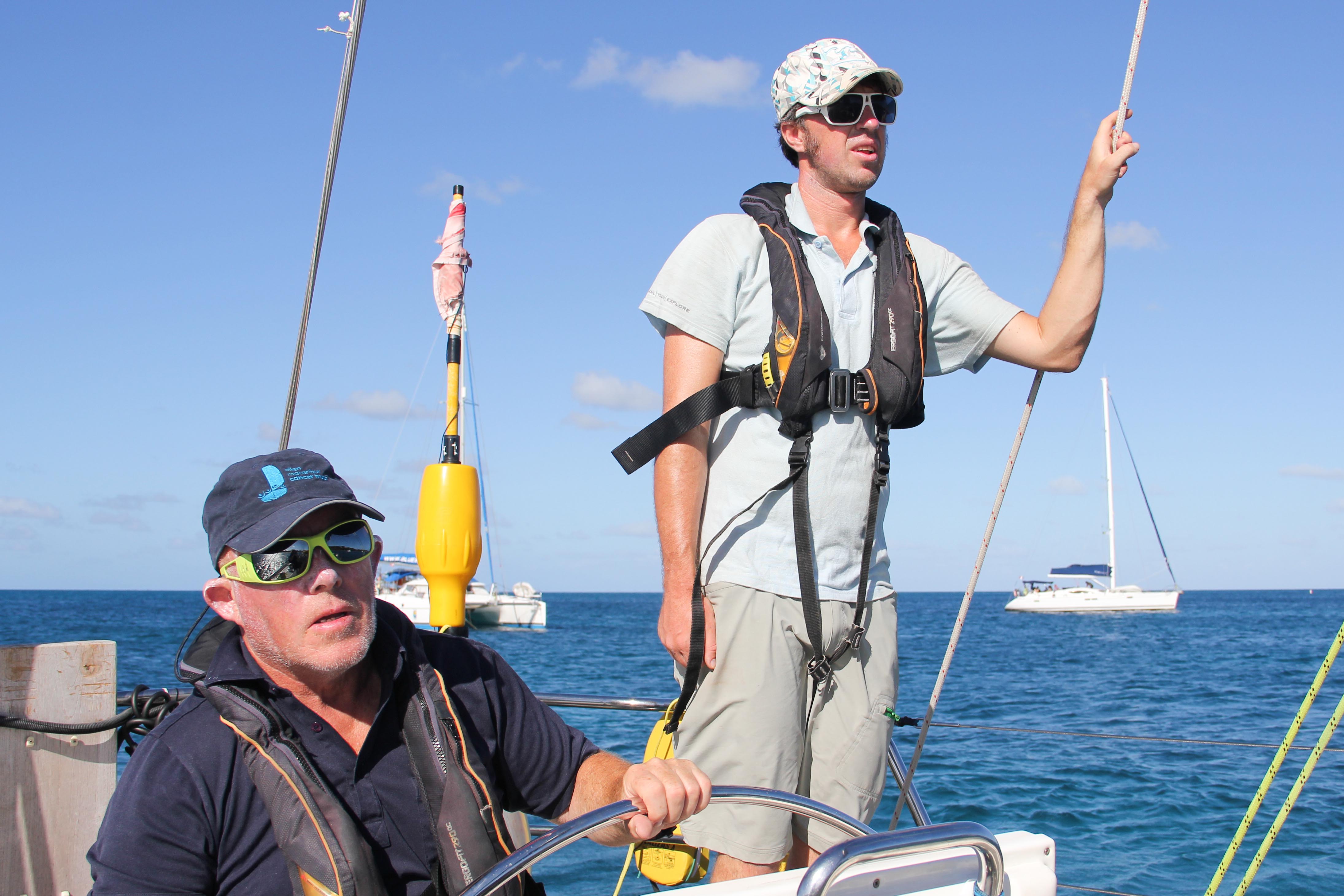
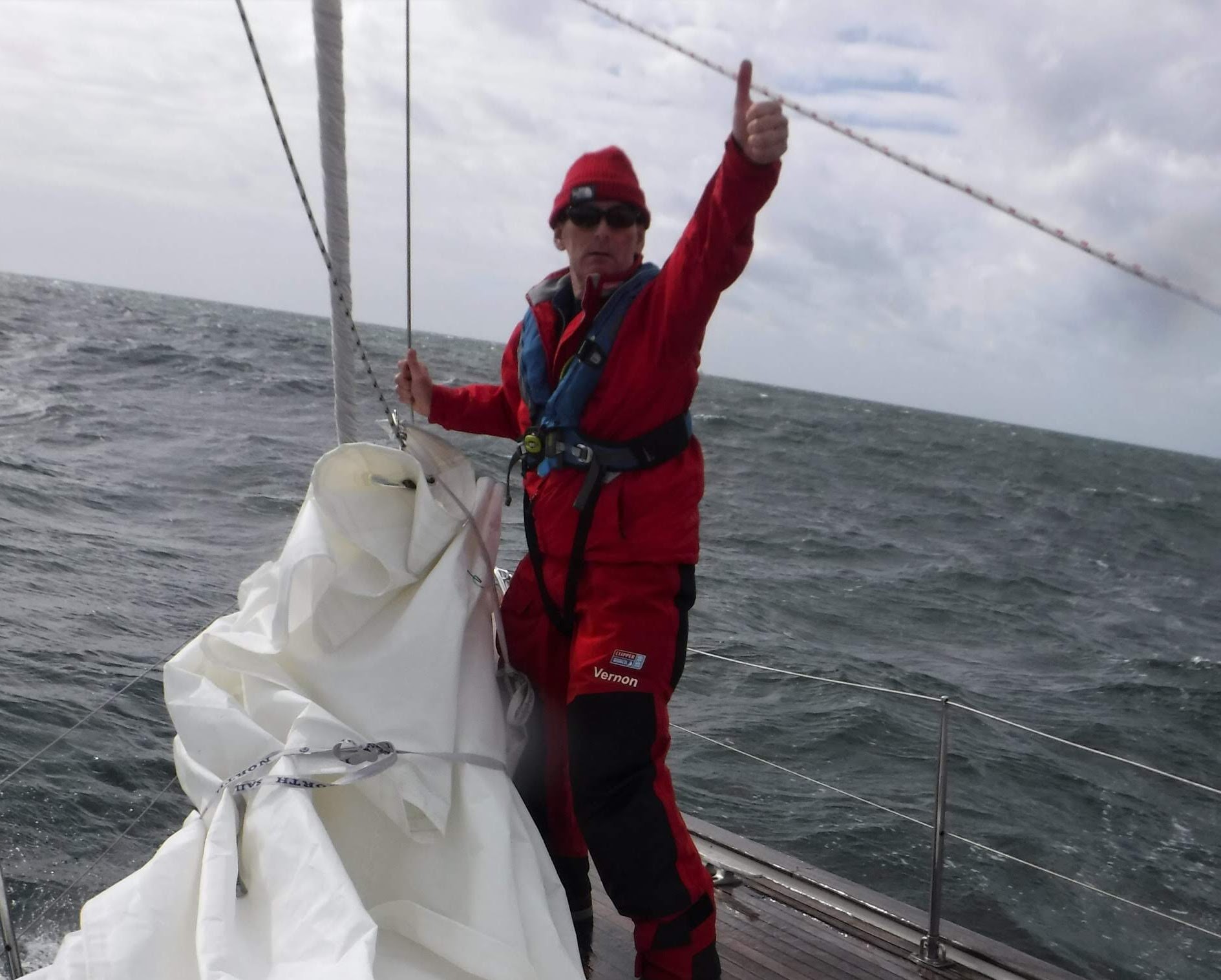
Aside from the whoops of delight as helm after helm broke the speed record, the main thing I remember from the first few days is spending a considerable amount of time on the foredeck with Alex (mate) and Charlie taking sails and poles up and down. In one particular night watch, when we were taking it easy and not pushing too hard (according to Stu (skipper)), we double-pole gybed the spinnaker because it would be quicker than dropping it and re-flying it (note, not easier) and on another watch, or perhaps it was the same one, I counted doing 5 circuits of the foredeck as Alex and I moved sails and poles around (I can’t remember exactly what we were doing). It was surprisingly good fun (I didn’t venture onto the foredeck much during Clipper), but also pretty tiring as the boat was slamming about, the sails were heavy and it took time as there were not many of us on watch to do the work.

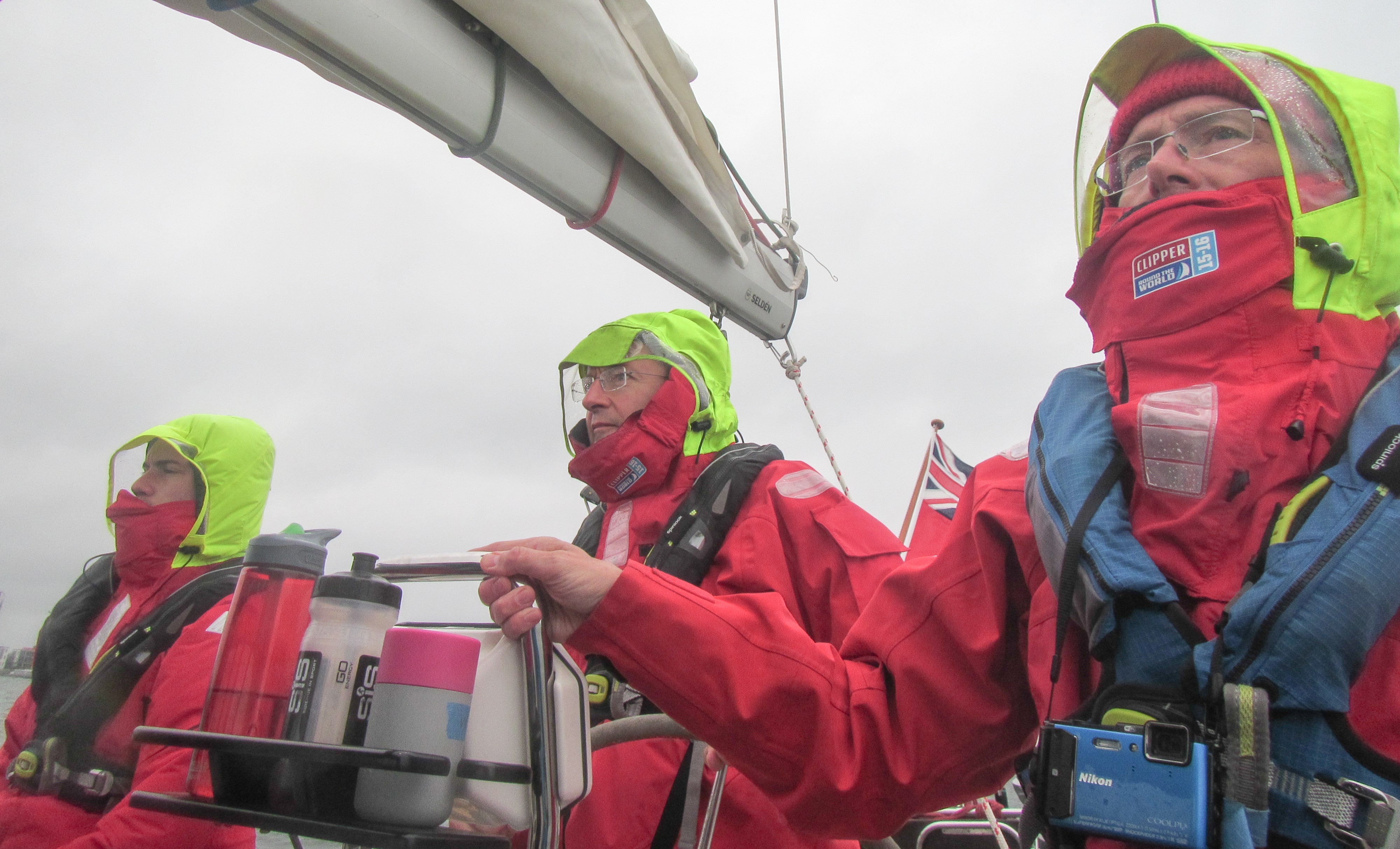
Laughing on the foredeck with Danny about how wet we were
Easing into Life in the Mid-Atlantic
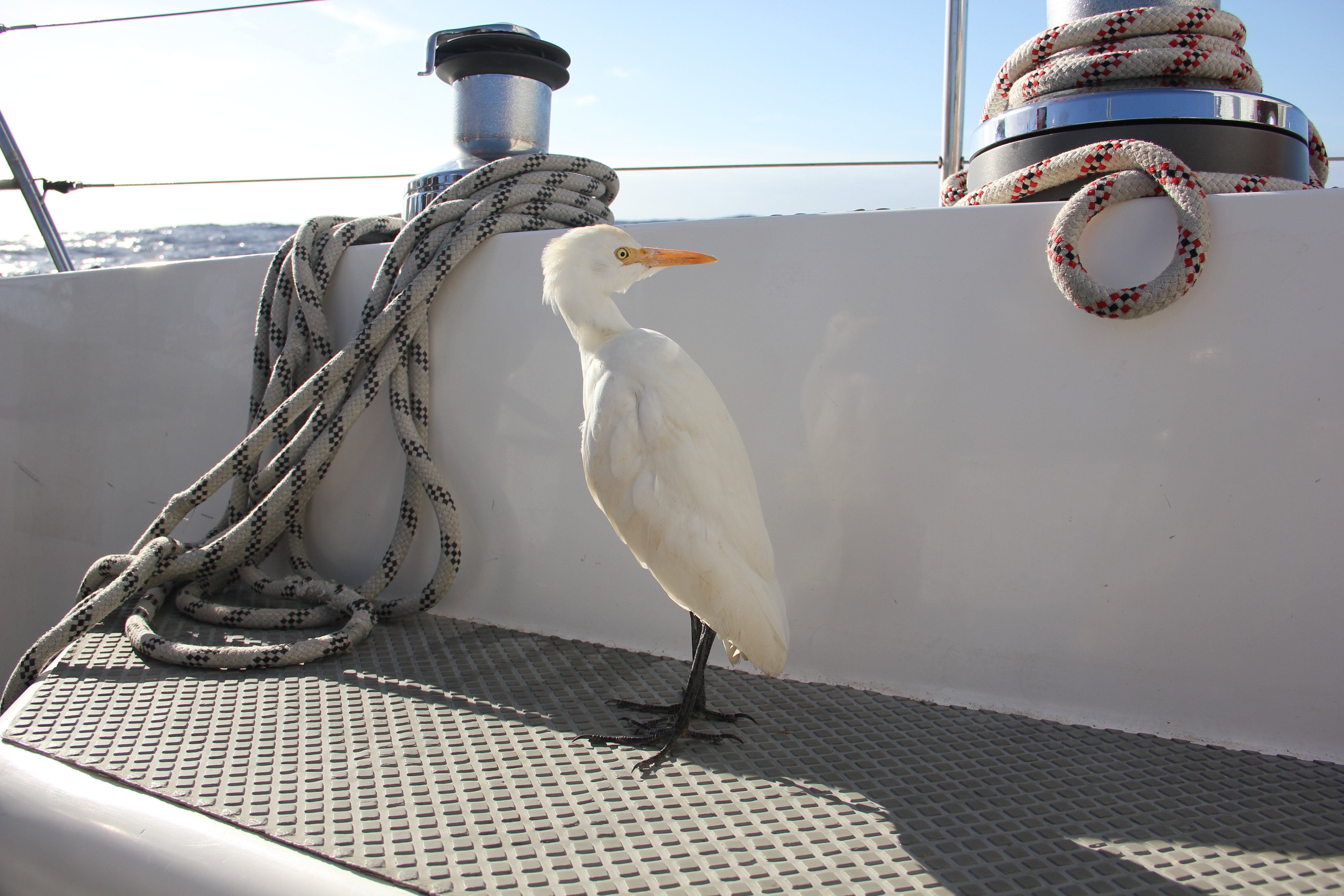
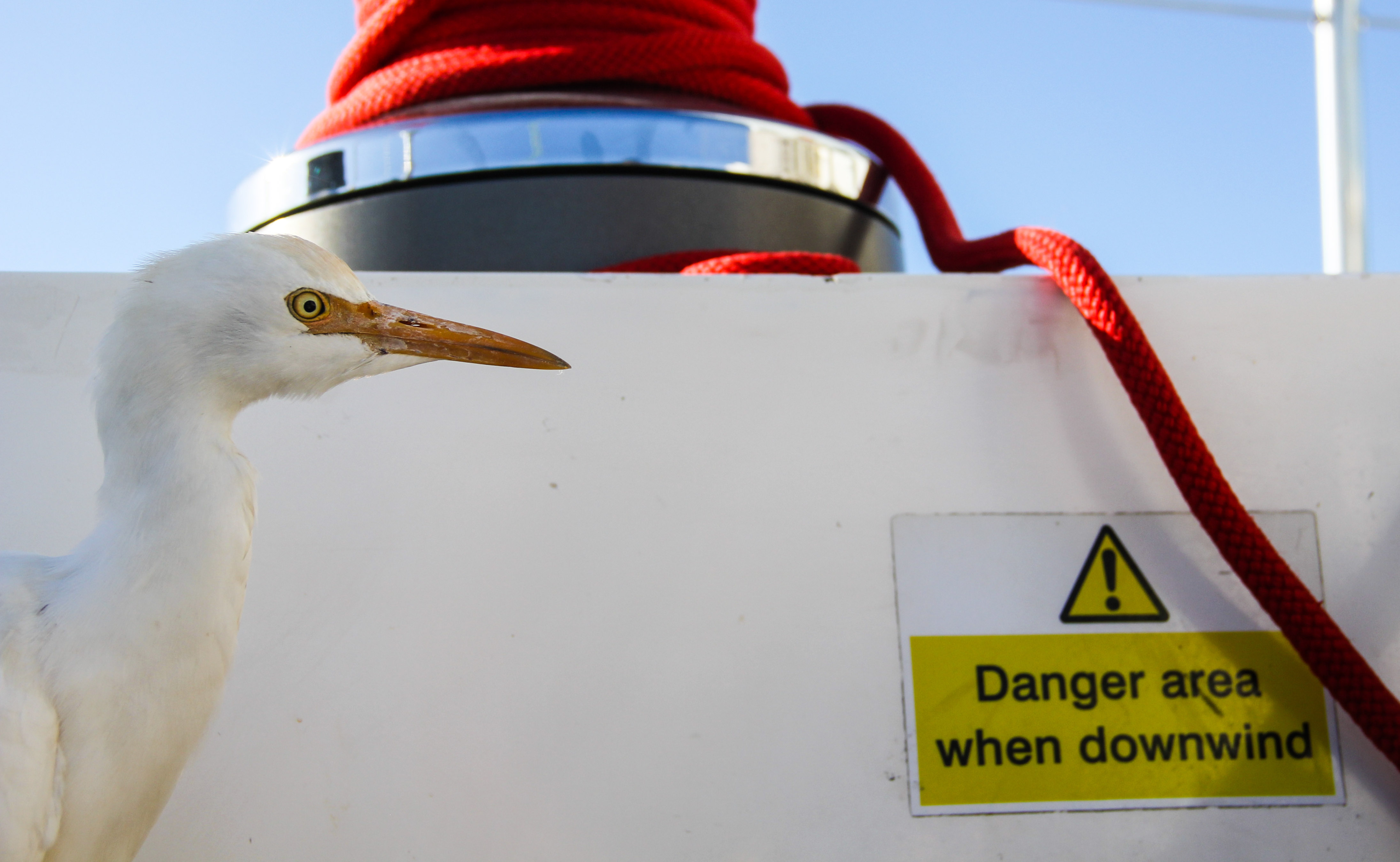
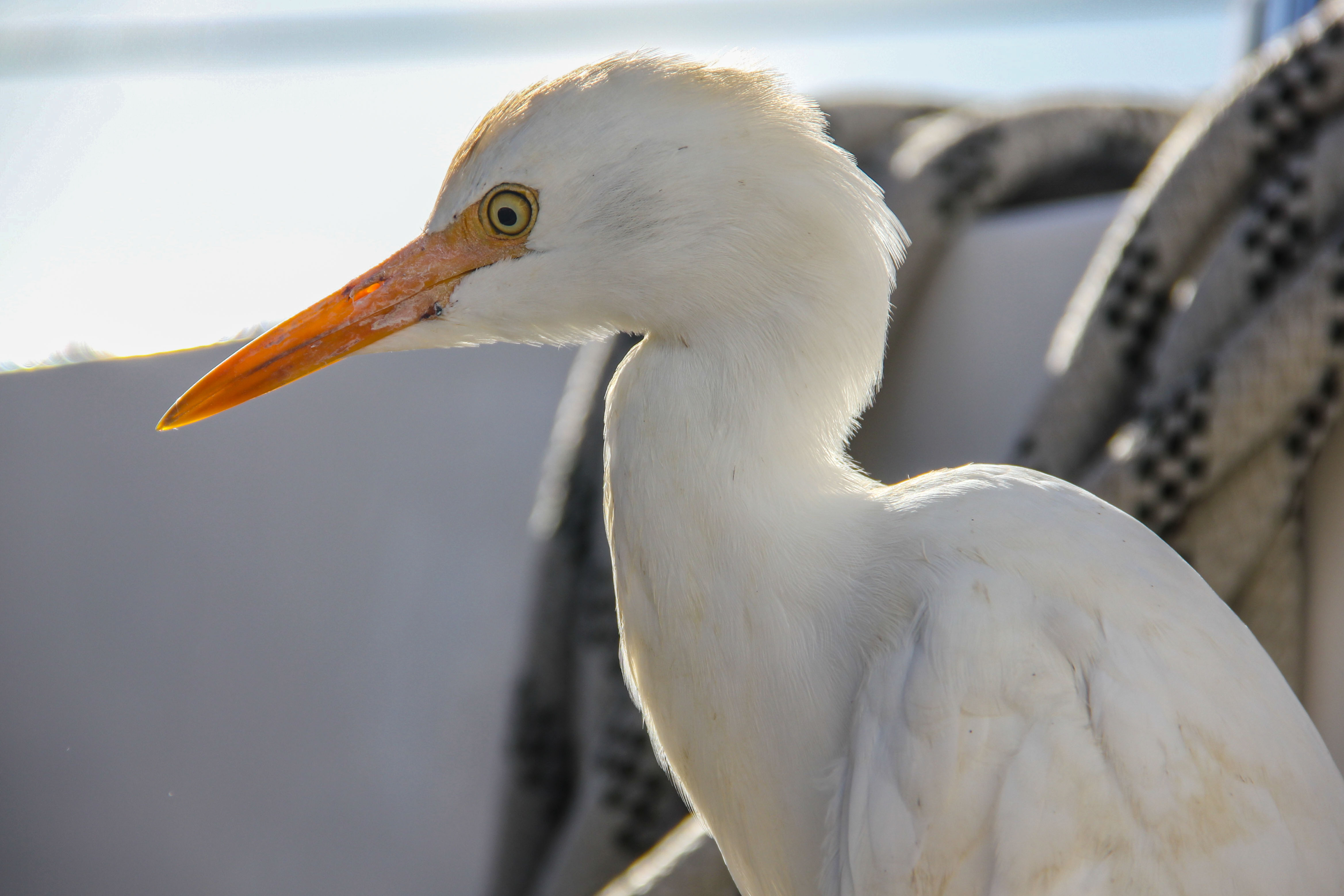
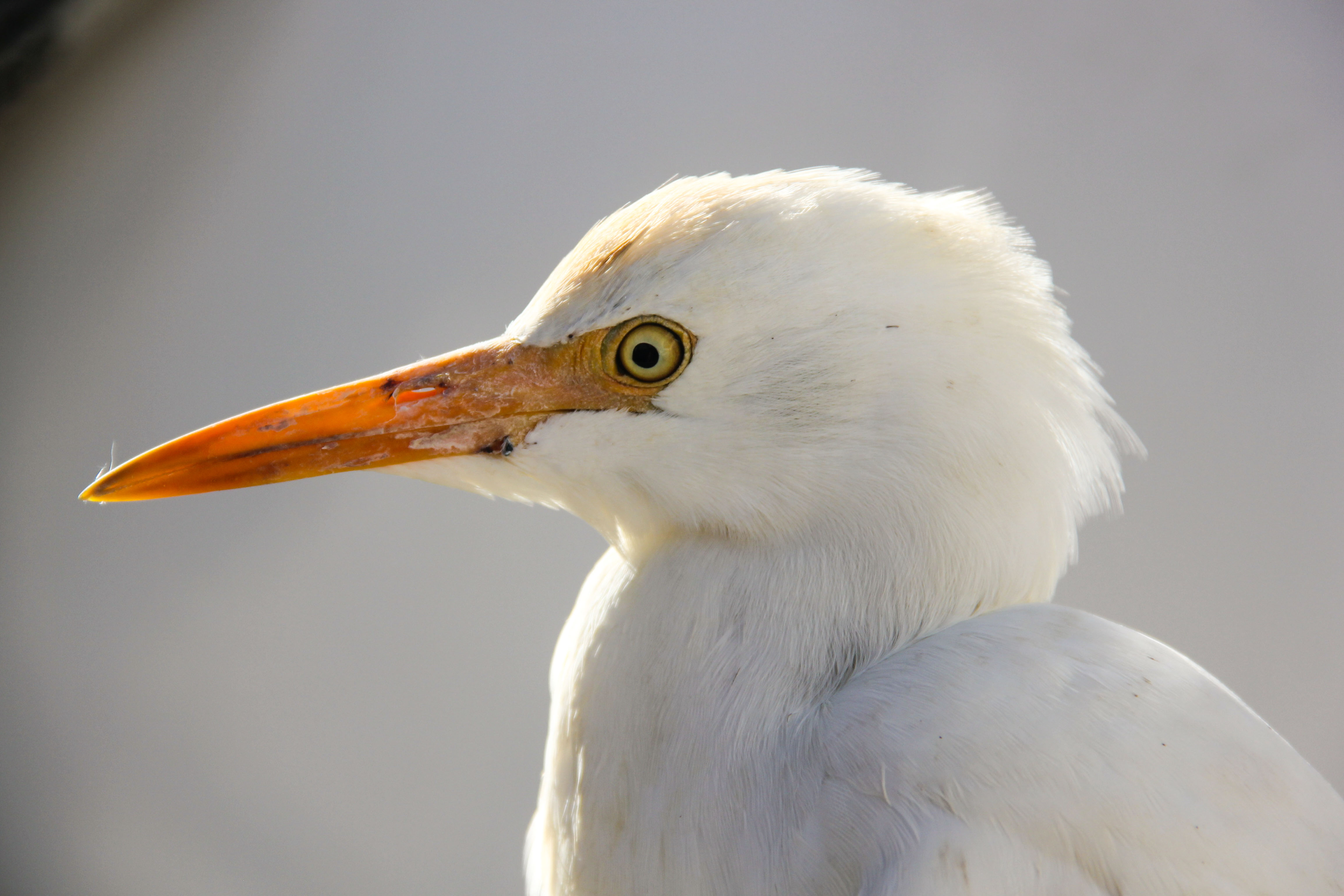
After a few days, the sea state calmed down and the boat flattened out making life on board much easier. The sun shone, the wind stayed at a fairly consistent Force 4 to 5 from the right direction (NE), we saw shooting stars, Venus and the International Space Station at night and we were overtaking the boats around us. Life was good, we even picked up a stowaway (see later blogs).
Celestial Navigation
My head hurts even as I think about doing celestial navigation on the boat. Part of the Yachtmaster Ocean qualification requires that you are competent in celestial navigation and can provide evidence of said competence. Essentially, if all of the electronics fail on the boat you need to be able to work out where you are.
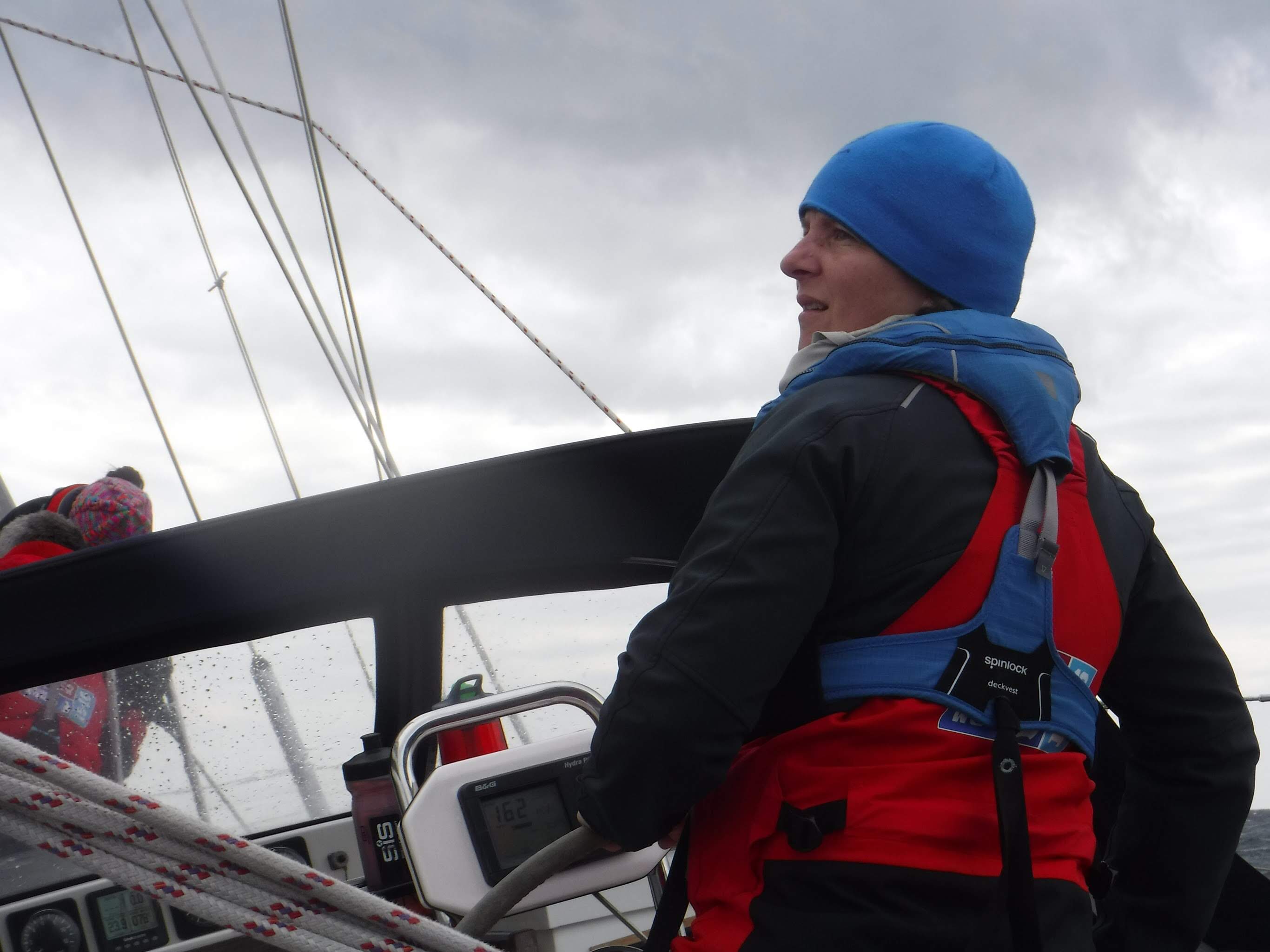
I thought the hard part of celestial navigation was going to be working out how to use the sextant to take my sun sights. I was wrong. It turned out that I was pretty good at that. Where I struggled was with the relatively simple maths. Even the easiest of tasks can become incredibly difficult on a yacht in the middle of the ocean when you’re tired. And so it was for me with the maths for celestial navigation. I spent 3 hours of a 4 hour off watch mis-reading lookup tables and incorrectly adding together and taking away numbers until eventually I came up with the correct answer. It didn’t help that I forgot that there are 60 minutes in a degree, not 100! You can imagine my delight when I eventually plotted our position to be 6 miles away from the position provided by the GPS.

Taking sun sights with Terry
My partner in crime for all of this was Terry, navigator for the leg. Unlike me, he knew what he was doing, but like me he also made the odd mathematical error. The one thing we were both good at was checking each others calculations and pointing out the errors. Eventually, we decided that the best use of our respective talents was for me to take the sun sights and for Terry to do the maths, which suited me perfectly. Terry summed it up nicely when he said, “Between the two of us, we made celestial navigation look almost doable!”. Almost, Terry, almost.
Are We Nearly There Yet?
Well, yes as it turns out, we were. We shot across the Atlantic so fast that we spotted St Lucia after 12 days. I’d enjoyed being out in the vast expanse of the big blue again but I had no desire to stay out there longer than necessary, there were beaches to explore and rum to be drunk, so I was delighted to have made it to St Lucia so fast.
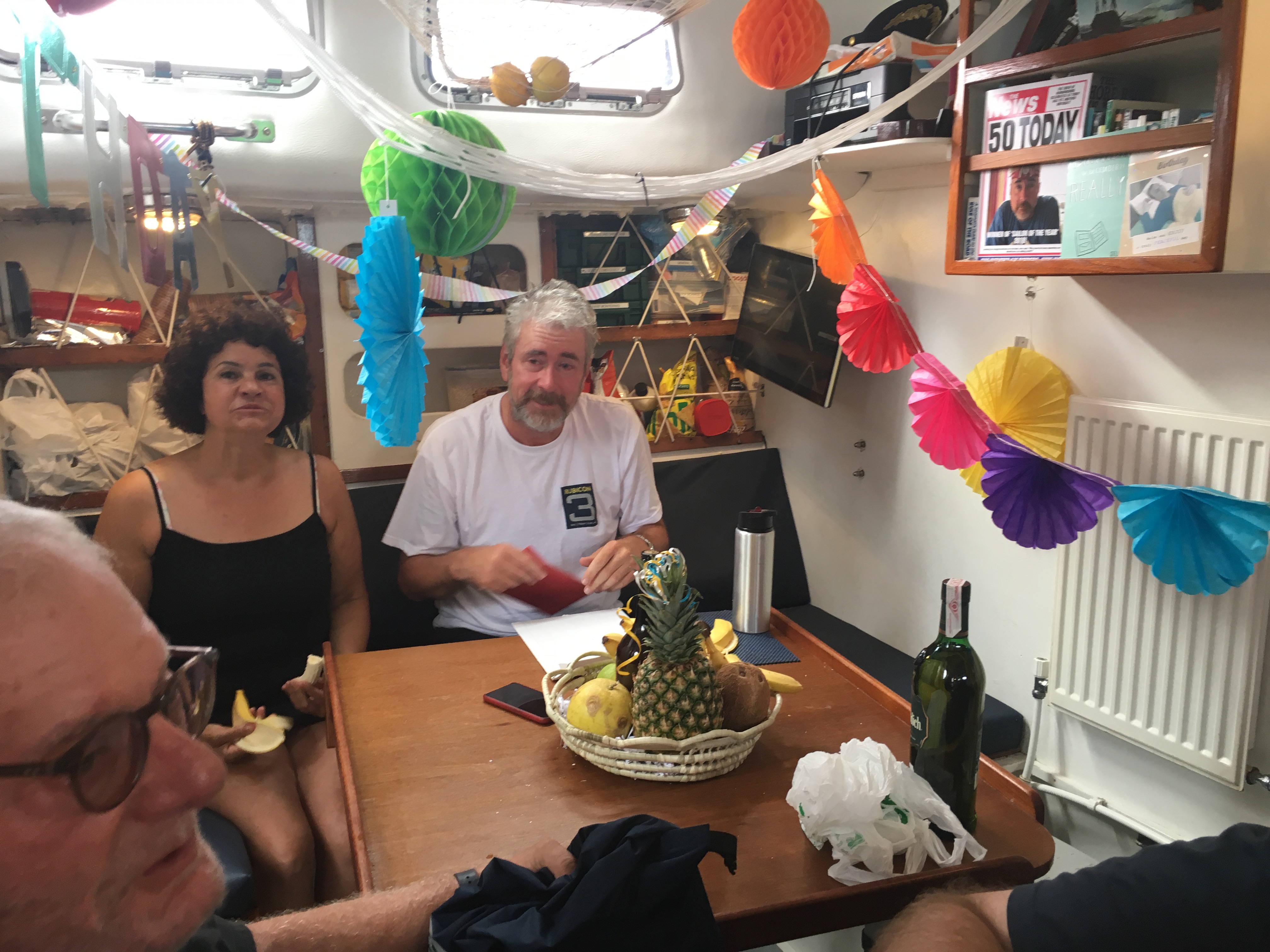
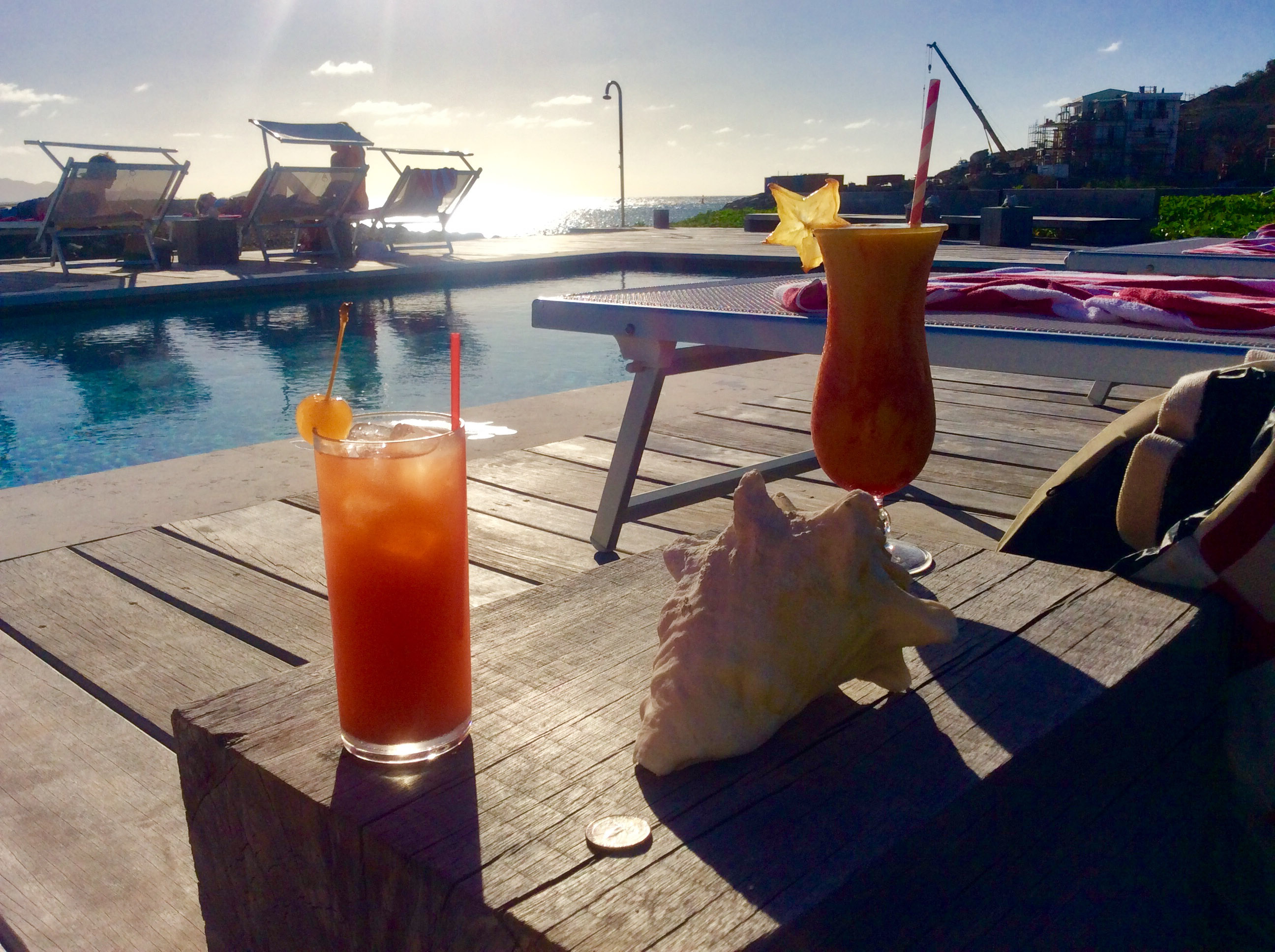
We crossed the finish line in Rodney Bay at around 8pm on Monday 3rd December, posed for photos, dropped our sails and headed into the marina where we were greeted by the race committee with rum punches all round, a pineapple and a coconut.
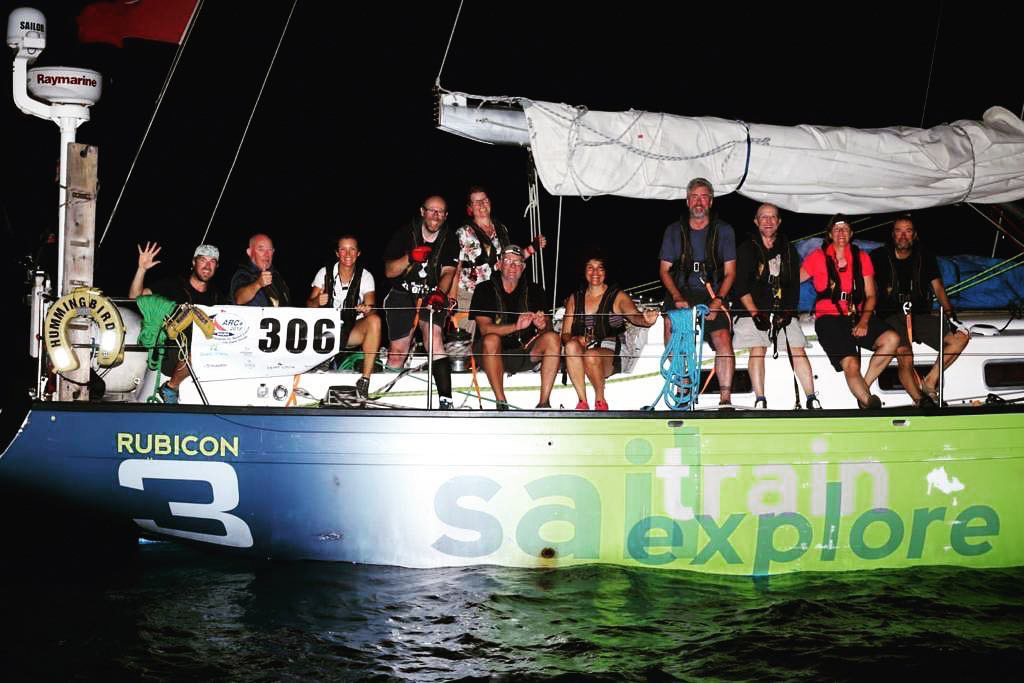
We did it, we crossed the Atlantic!
Race Results
So how did we do in the end? Well, we were the 11th boat to cross the line and the 2nd boat to cross the line having not used our motor. Allowing for handicaps and penalties for motoring, we finished 4th in our class, missing out on a podium spot by 3.5 hours. Quite an achievement considering at one point we were 57th but also a little galling as the boat that claimed 3rd didn’t declare their engine hours. Oh well, it wasn’t a race, it was a rally…and anyway, we had rum.